


1 in 3 Older Adults Still Experience Loneliness and Isolation + 8 Ways to Change This


Six-year trends from a national poll show key groups that are most vulnerable, especially those with fair or poor physical or mental health. Loneliness and isolation among older Americans have mostly returned to pre-pandemic rates, but that still means more than one-third of people age 50 to 80 feel lonely, and nearly as many feel isolated, a national study shows.
And some older adults – especially those dealing with major physical health or mental health issues – still have much higher rates of loneliness and social isolation than others.
Chronic loneliness can damage your health as much as smoking. Loneliness increases the risk of heart disease and stroke by 30% and can increase the risk of dementia or cognitive impairment. The COVID-19 pandemic reduced social connectedness for everyone, but older adults were particularly hard hit.
Increasing social connection comes with enormous health benefits, including decreased risk of cardiovascular disease, stronger immunity, increased longevity, higher self-esteem, and overall better social, emotional, and physical well-being.
8 ways older adults can combat loneliness and social isolation
1. Maintain current connections
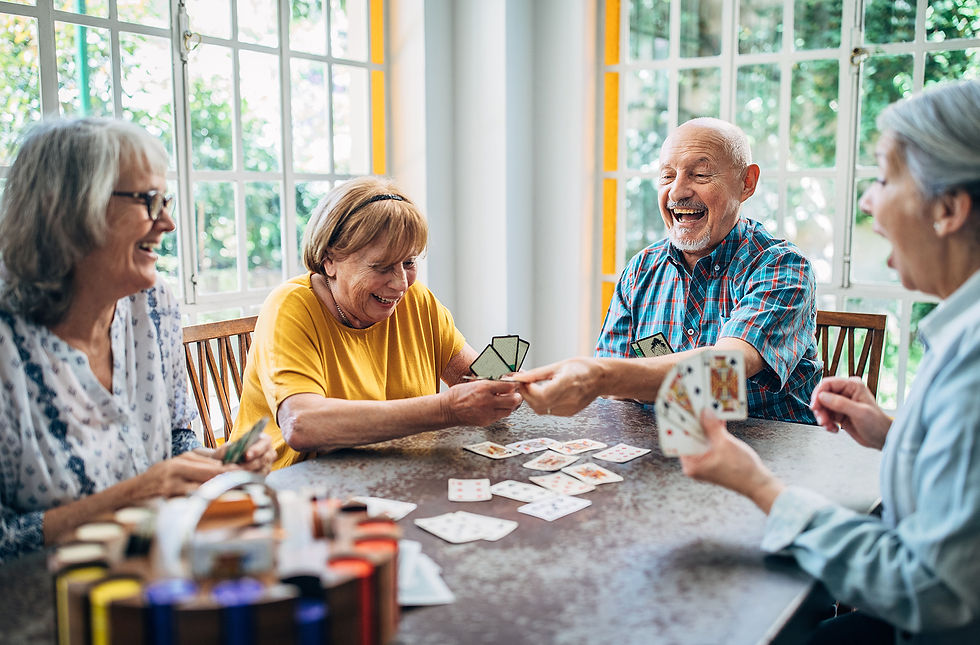
Take the energy to stay connected to those already in your life. Whether it’s a phone call, writing a letter or a meet up, try to schedule a time each day to get in touch with friends, family, or neighbors.
2. Engage in online social activities
The pandemic increased access to online social activities. The options are nearly limitless, now you can attend faith-based groups, online classes, support groups, and more, all from the comfort of your home. Video chatting through applications such as Zoom, FaceTime, or other avenues also provides outlets to keep up with your loved ones near and far.
3. Volunteer
Volunteering with local organizations can provide an opportunity to give back to your community while forming and maintaining social relationships. Check with your local community centers, faith organizations, animal shelters or your town or city hall to see what opportunities may be available nearby.
4. Care for a pet (or pets)
For those who can care for pets, research has shown the companionships formed with pets improves both physical and mental health. Learn more about what the National Poll on Healthy Aging found about the impact pets have on older adults.
5. Establish a daily social routine
Incorporating at least one social outlet that seems enjoyable and feasible into your daily routine will help you to form better social habits.
6. Find grief support
Older adults often suffer a variety of different types of losses, whether that be from the loss of a spouse, close friend, or relatives. Grief-support groups can help you navigate grief while also providing social support during that time. Many hospice organizations provide free bereavement or caregiver support groups to join.
7. Talk with your primary care provider
Talk over loneliness or social isolation concerns with your doctor or nurse practitioner. They can connect you with specific community resources that can get you more socially engaged and help improve your health.
8. Explore your sources of joy
When asked about sources of joy during the pandemic, a majority of National Poll on Healthy Aging participants responded that being outdoors, physical activity, hobbies, skills, projects, alone time, and pets spark joy.
Consider what your source of joy is. Take the time to identify your source of joy and ways to form and maintain strong social connections as part of a healthy routine.
Spotting Loneliness vs. Depression in Adults
Although they may look similar, it’s important to know the difference between loneliness and depression.
Loneliness can be a risk factor contributing to depression, but depression is a serious mental health concern including the following symptoms: feeling sad or down most days, little interest in daily activities, disruptions in sleep or appetite or thoughts of death.
In the past two years, 19% of National Poll on Healthy Aging participants discussed a mental health concern with their primary care provider and 10% met with a mental health professional. However, one in three participants expressed they would be hesitant seeking mental health care in the future. “We shouldn’t feel like we can’t talk about mental health,” said Malani. “Mental health is health.”
Depression and other mental health concerns are things that can be managed and treated in the primary care or medical specialty setting, says Malani. For those who’ve tried other medications or treatments for Depression or other mental health concerns that did not work, consider joining a clinical trial. Neuro-Behavioral Clinical Research offers many options for those seeking help.
Sources for this blog include : https://www.michiganmedicine.org/health-lab/8-ways-older-adults-can-reduce-loneliness-and-social-isolation-0 and https://www.michiganmedicine.org/health-lab/1-3-older-adults-still-experience-loneliness-and-isolation
IF YOU OR A LOVED ONE IS CONTEMPLATING SUICIDE,
IMMEDIATELY CALL 988 FOR HELP
Neuro-Behavioral Clinical Research is currently enrolling volunteers for paid clinical studies on Anxiety disorder, Bipolar disorder, Depression, Memory loss, and Schizophrenia.
Discover Innovative Medical Breakthroughs at Neuro-Behavioral Clinical Research
Neuro-Behavioral Clinical Research (NBR) is a nationally recognized leader in CNS research, ranked among the top 10 facilities in the country. Founded by Dr. Shishuka Malhotra, NBR is dedicated to advancing mental health and memory loss treatment through cutting-edge clinical trials.
With over 200 studies conducted, our expert team is committed to breaking the stigma around mental health, raising awareness that early detection can slow memory loss progression, and empowering patients to lead healthier lives. Best of all, our services are completely free—no insurance required.
Take the first step toward a brighter future. Join a clinical trial today!
Call today: 330-493-1118


